
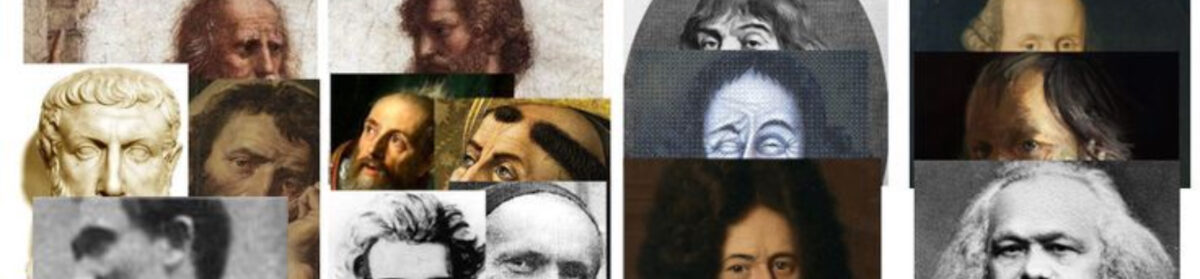

She is neither, and she is both, simultaneously.
• Innocent? Yes, in the way lightning is innocent. She did not invent the storm, but she carries its charge. She has no guilt because she is before morality, before the split between good and evil. Her “innocence” is the innocence of the panther, the sea, the earthquake: pure affirmation of what is.
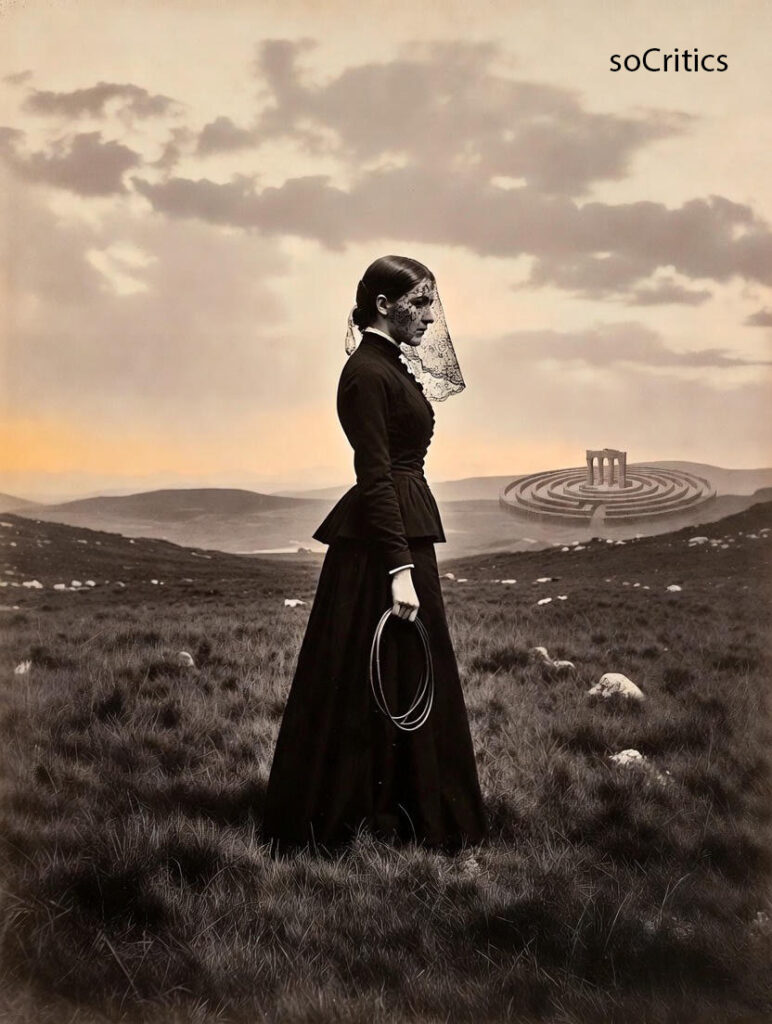
• Shadow warrior? Yes, but not in the Hollywood sense of a dark avenger. She wages war by refusing to wage war the way men do. Her weapons are pregnancy, postponement, laughter, silence, the labyrinth, the veil. She fights by never letting the game end, by never allowing truth to be fixed, possessed, murdered into a system. That is the most terrifying warfare of all, because it cannot be defeated by any army.
So the real answer is: she is the living coincidence of innocence and danger. To separate the two is already to fall into the metaphysical trap Nietzsche spent his life destroying.
Nietzsche does not give dating advice. He gives an existential imperative.
1. Stop trying to save her or be saved by her
The moment you approach “woman” (any woman, every woman, the woman in yourself) with the fantasy of rescue or redemption, you have already turned her into the mother or the victim in need of a knight. Both are lies that kill Dionysus.
2. Learn to be seduced without possessing
Pursuit of Nietzsche’s woman means learning to love the withdrawal as much as the approach. It means enjoying the moment when she turns her back, when the riddle deepens instead of resolving. Only then do you touch truth.
3. Take the whip, but know it will be used on you
The whip is the sign of mutual risk. If you go to her unarmed (that is, believing you are “good,” “respectful,” “non-toxic,” or “already enlightened”), you will be devoured without even noticing. The whip is the acknowledgement: I can hurt you, you can destroy me, and only that equality of danger makes love possible.
4. Become Ariadne for a while
Every individual, regardless of body, must at some point occupy the abandoned position in the labyrinth. You must learn to say Yes to the monster that was left with you. That is the feminine initiation Nietzsche himself underwent in the 1880s: breakdown, migraine, isolation, the feeling that the thread has been cut. Only from that place can you speak with Life instead of about Life.
5. Cultivate your own pregnancy
Not literal. Existential. Carry something inside you that will never be fully born, that will always postpone its meaning. Write the book that refuses conclusion. Love the person who keeps changing. Live the question instead of demanding the answer.
What Society Trained Us With (the Maya)
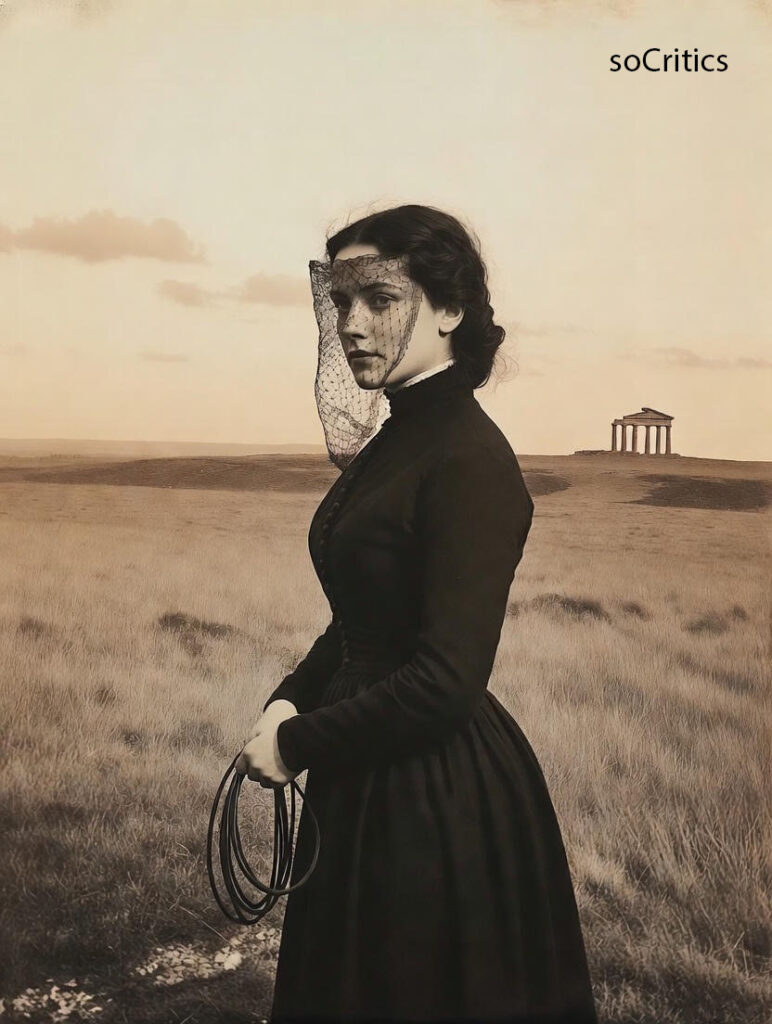
Modern society has replaced Nietzsche’s dangerous, Dionysian woman with two lethal illusions:
1. The Innocent Virgin-Mother
Disney, Instagram, therapy culture, and most progressive discourse sell us the fantasy of a woman who is pure trauma, pure wound, pure vulnerability. She must be protected, spoken for, amplified, never contradicted. This is Maya in its most poisonous form: a desexuated saint whose supposed innocence justifies endless moral policing of desire itself.
2. The Empowered Girlboss-Warrior
The other side of the same coin. Now she is no longer innocent; she is sovereign, armoured, entrepreneurial, sexually liberated on masculine terms. But notice: she still has to be whole, consistent, successful, “healed.” The labyrinth has been replaced by the vision board. The whip has become a branded riding crop sold on Etsy.
Both illusions do the same thing: they abolish the risk, the withdrawal, the enigma. They abolish the Real. They turn woman into a fantasy that completes the male subject (either by needing him as saviour or by mirroring his own fantasy of mastery).
In both cases, society whispers the same lie:
“There is a final truth about woman, and once we all agree on it, conflict will end.”
Nietzsche’s entire philosophy is a war-cry against that lie.
The Only Honest Pursuit
So how do we actually live this, day to day, in 2025?
• When you desire someone, desire the moment they become strange again.
• When you are desired, refuse to become the answer.
• When you are hurt, do not rush to “process” the hurt into a moral lesson. Let it remain a labyrinth for a while.
• When you are tempted to fix someone (or let someone fix you), remember the whip.
• When society hands you the script (be respectful / be empowered / be healed / be an ally), smile the way Ariadne smiles at Theseus: kindly, cruelly, already elsewhere.
That is the only pursuit worthy of Nietzsche’s woman.
She is not waiting to be found.
She is waiting for you to become interesting enough for her to turn around, just once, before vanishing again.
And if you ever hear the faint crack of a whip in the distance, do not ask whether it is for you or against you.
Just walk toward the sound.